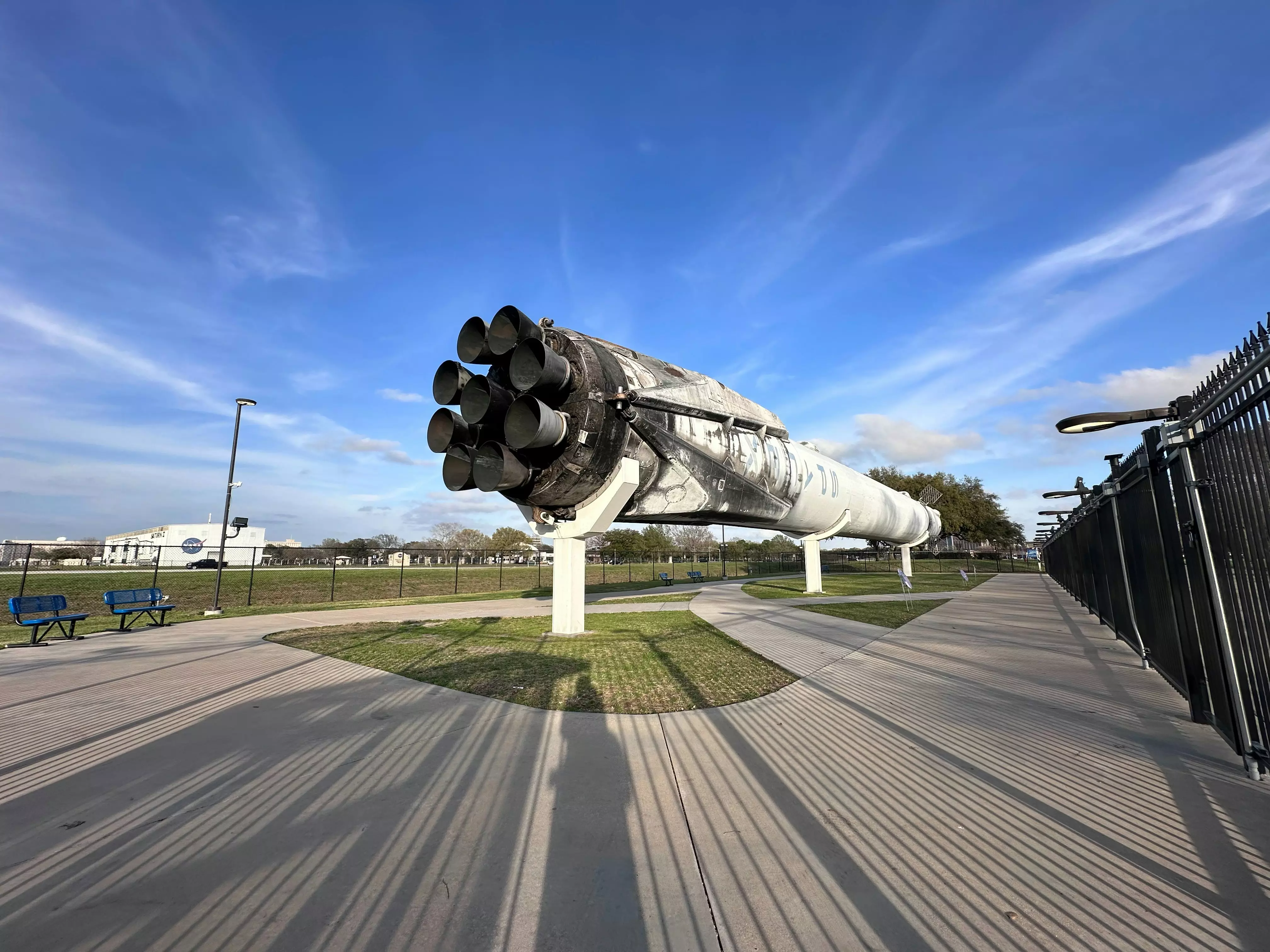
What Is Space Center Houston (and How It Connects to NASA Johnson)
Space Center Houston is the official visitor center of NASA's Johnson Space Center — the campus where astronauts train, flight controllers monitor the International Space Station, and mission planning for Artemis happens right now. General admission runs $29.95 for adults and $24.95 for children ages 4-11 as of 2026, and your ticket includes indoor exhibits, three theaters, live shows, and a NASA Tram Tour of the working Johnson campus next door.
The center sits at 1601 NASA Parkway, Houston, TX 77058 — roughly 25 miles southeast of downtown, near Clear Lake. This guide walks through ticket options, the tram tour logistics, every major exhibit, and practical tips so you can plan a day without guesswork. If you're combining this with other stops around the city, check out our Houston-to-Galveston day trip guide for route ideas.
400+
Space artifacts on display
Space Center Houston holds the largest collection of moon rocks on public display in the world, plus flown spacecraft from Mercury, Gemini, Apollo, and Skylab. 2026 visitor data from spacecenter.org.
How to Get There, Parking, and Hours
Space Center Houston is open daily, generally from 10 AM to 5 PM, though summer hours and holiday weekends sometimes extend to 6 PM. Check spacecenter.org for the exact calendar on your visit date — closures for private events do happen occasionally.
GETTING THERE
Driving from downtown Houston
Take I-45 South to the NASA Parkway exit. The drive is about 25 miles and takes 30-45 minutes depending on traffic. Parking costs $5-$10 per vehicle depending on which lot you use. Members park free.
There's no direct Metro bus route to the center, so driving or rideshare is the practical move. Uber and Lyft from downtown run roughly $25-$35 each way. If you're staying near the Kemah or Clear Lake area, you're already within a 10-minute drive.
Tickets and Discounts
Standard admission vs. Lone Star Pass
Standard general admission covers all permanent and traveling exhibits, three theaters, live shows, and a NASA Tram Tour. The Lone Star Pass is an annual membership that pays for itself after two visits and includes free parking, discounts on add-on experiences, and early access to special events.
Best LivingSocial and Houston CityPASS savings
Houston CityPASS bundles Space Center Houston with four other attractions (the Houston Museum of Natural Science, Downtown Aquarium, Houston Zoo, and one more of your choice) and typically saves 40-50% versus buying tickets separately. LivingSocial also runs periodic deals on Space Center Houston admission — worth checking before you buy at the door. Our guide to saving on LivingSocial covers how to stack discounts.
The NASA Tram Tour: Mission Control and Rocket Park
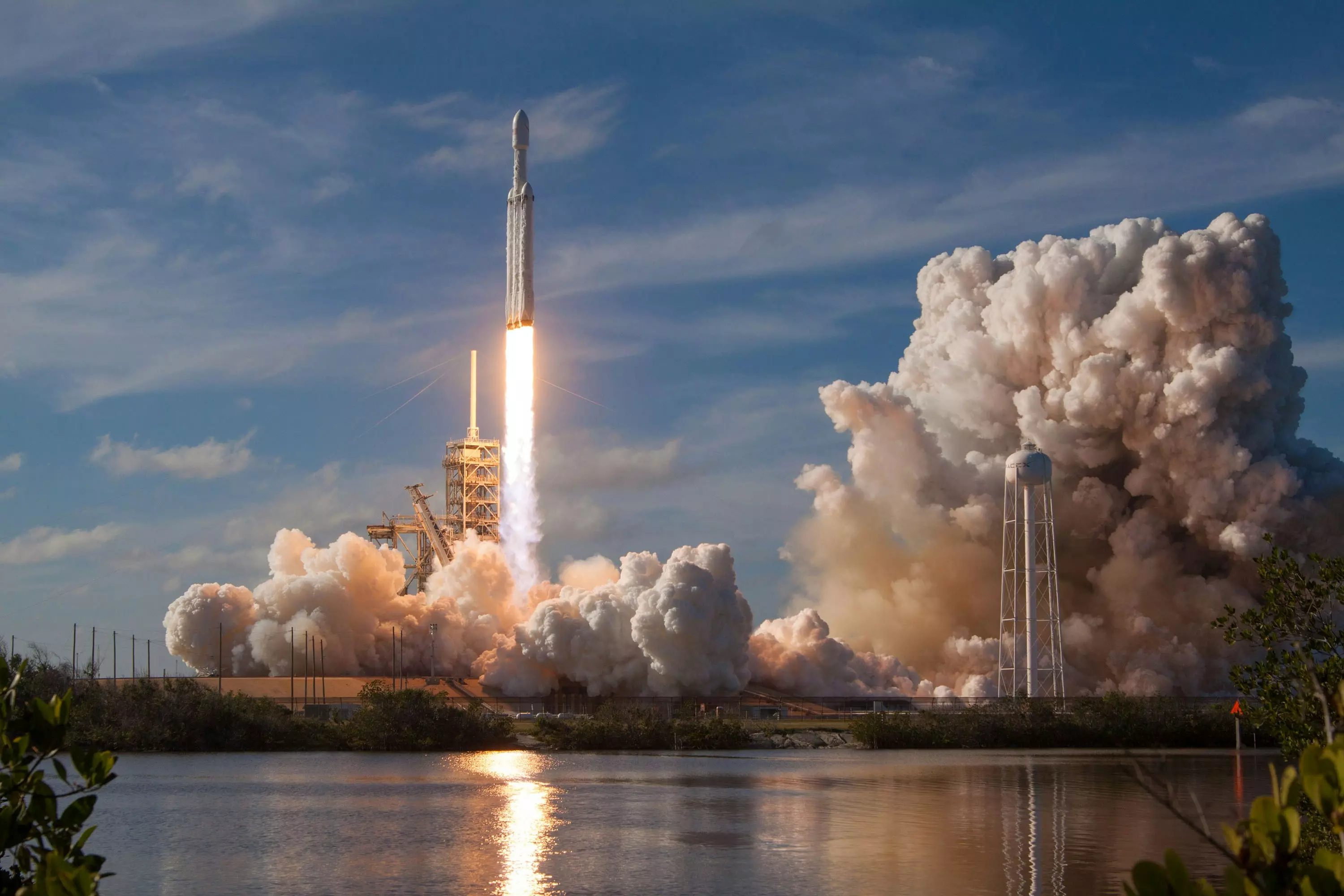
What you'll see: Historic Mission Control, current ISS Mission Control, and the Saturn V
The NASA Tram Tour is the one thing you can't skip. It leaves the visitor center and drives onto the actual Johnson Space Center campus — an active NASA facility you can't access any other way. The tour runs 60-90 minutes and covers two main stops.
The first stop is the Christopher C. Kraft Mission Control Center, home to the Historic Mission Control room where NASA guided the Apollo 11 moon landing in 1969. The consoles, screens, and even the carpet have been restored to their Apollo-era appearance. It's striking to stand in the room where "Houston, we have a problem" was received.
The second stop is George W.S. Abbey Rocket Park, where a full Saturn V rocket is displayed inside a climate-controlled building. This Saturn V is one of only three remaining flight-ready Saturn V rockets in the world — it was actually built to fly but never launched. At 363 feet long, it's the largest rocket ever successfully flown and seeing it in person gives you a sense of scale that photos can't convey.
3
Flight-ready Saturn V rockets left worldwide
Space Center Houston's Saturn V is one of three remaining examples. The others are at Kennedy Space Center in Florida and the U.S. Space & Rocket Center in Alabama. Based on Smithsonian historical records.
How to book a tram slot and avoid lines
Tram tours run throughout the day with the last departure about two hours before closing. Availability is limited, and the Historic Mission Control tour requires an additional timed ticket. Arrive when the center opens at 10 AM and head straight to the tram boarding area to get your preferred slot.
TIMING TIP
Weekday mornings are your best bet
School groups flood the center on weekday mornings during the academic year, but summer weekdays before 11 AM are relatively calm. Weekend tram tours fill up fastest — if you're visiting on a Saturday, book your tram time online at least two weeks ahead when that option is available.
Top Exhibits Inside the Center
Independence Plaza: shuttle replica on a 747
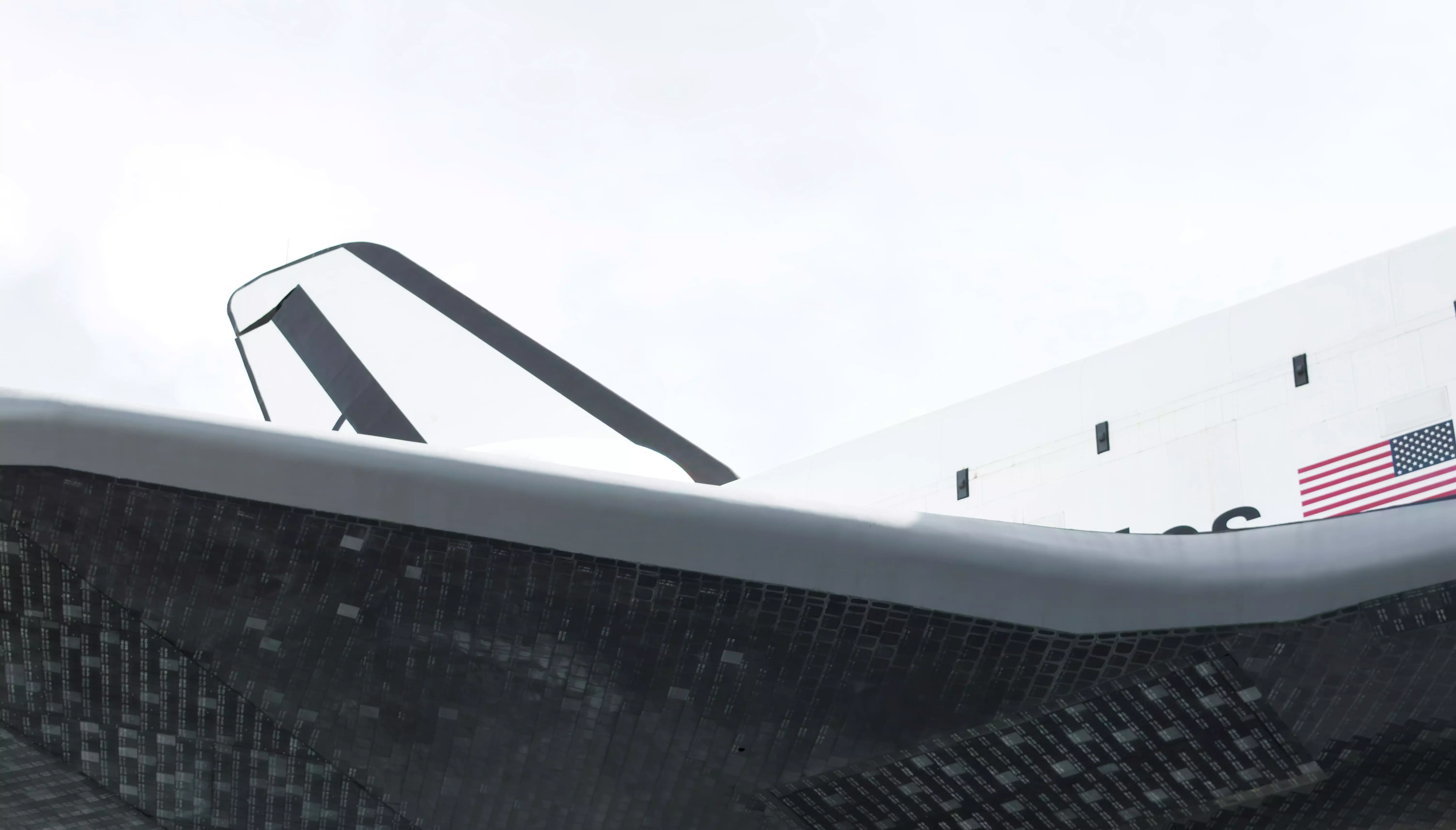
Independence Plaza is the only place in the world where you can walk through a full-scale shuttle replica mounted on top of an original NASA 747 shuttle carrier aircraft. The shuttle replica Independence sits on the back of NASA 905, the actual plane that ferried real orbiters like Discovery and Endeavour between landing sites and Kennedy Space Center. You can explore both the shuttle flight deck and the 747 interior.
Starship Gallery: moon rocks and returned capsules
Starship Gallery holds flown spacecraft and national treasures from across NASA's crewed missions. You'll see the Apollo 17 Command Module — the capsule that carried the last astronauts home from the moon — plus Mercury and Gemini spacecraft, Skylab trainers, and the world's largest public display of lunar samples. Visitors can touch an actual moon rock, which is a weirdly powerful experience even if you're not a space nerd.
Mission Mars and Astronaut Gallery
The Mission Mars exhibit is an interactive deep-dive into what it'll take to send humans to the red planet. You can climb into a simulated Orion capsule, launch a bottle rocket, experience a virtual Martian sunset, and touch a real Mars meteorite. With NASA's Artemis program actively working toward crewed Mars missions, this exhibit feels less like science fiction than it used to.
The Astronaut Gallery rounds things out with suits, tools, and personal stories from astronauts across NASA's history. It connects well to the Artemis content — you get a sense of the line running from Mercury through Apollo to what's happening now. If you're visiting Houston with kids, the family activities in Houston page has more ideas for the trip. Color Factory Houston (an interactive art museum downtown) runs about $29 on LivingSocial and is a solid rainy-day backup if the weather turns — over 1,000 people have grabbed that deal recently.
Astronaut Experiences and Add-Ons
Space Center Houston offers several premium experiences on top of general admission. These cost extra and sell out, so book ahead if any interest you.
ADD-ON
Breakfast with an Astronaut
This add-on gets you a meal with a real NASA astronaut — current or retired. You'll hear mission stories, ask questions, and take photos. It includes general admission. Availability is limited to specific dates, so check the calendar early.
ADD-ON
Level 9 Tour
The Level 9 Tour is a deeper, behind-the-scenes look at Johnson Space Center that goes beyond the standard tram route. It's limited to small groups, runs about 4-5 hours, and covers areas like astronaut training facilities and the current Mission Control room. Ages 14+ only.
For families looking for broader Houston tours and sightseeing options, there are several combo packages that pair Space Center admission with city tours or Kemah Boardwalk visits.
How Long to Spend, Best Times to Visit, and Crowd Tips
Plan 4-6 hours for a full visit to Space Center Houston. The NASA Tram Tour alone takes 60-90 minutes, and the indoor exhibits, theaters, and Independence Plaza need another 2-3 hours to cover properly. Families with younger kids sometimes wrap up in about 4 hours, while space enthusiasts can easily fill a full day.
4-6h
Recommended visit length
The tram tour, three theaters, and Independence Plaza alone fill 4 hours. Add the Starship Gallery and astronaut add-ons and you'll hit 6+. Based on 2026 visitor reviews.
Weekdays during the school year are the quietest times to visit — you'll have shorter lines for the tram and more room in the galleries. Summer (June-August) and spring break weeks are peak season with school groups and vacationing families. If you must visit on a weekend, Saturday mornings right at opening are better than afternoons.
📅 Seasonal note: Houston summers are hot and humid. The center is air-conditioned, but the tram tour involves outdoor waiting. Bring water and sunscreen for the queue. Winter months (November-February) are mild and crowds thin out.
Where to Eat On Site and Nearby
The Food Lab inside Space Center Houston serves burgers, pizza, salads, and snacks. It's standard museum fare — fine for refueling but nothing memorable. Prices are what you'd expect at an attraction: roughly $10-$15 per meal.
For better food, drive 10 minutes to the Kemah Boardwalk area or Webster. Nobi Public House in Webster does Vietnamese-fusion pub food that's a nice change of pace. The Kemah Boardwalk itself has Landry's Seafood, Saltgrass Steak House, and the Aquarium Restaurant where you eat surrounded by a 50,000-gallon fish tank — kids love it. If you're a foodie planning a bigger Houston itinerary, our Brazilian steakhouse guide is worth a look.
🍽️ You can leave Space Center Houston and re-enter the same day with your ticket, so grabbing lunch off-site is a solid move if museum food isn't your thing.
Combine With: Kemah Boardwalk, Galveston, and NASA-Adjacent Stops
Space Center Houston pairs naturally with a few nearby attractions. Kemah Boardwalk is about 5 miles away (an 11-minute drive) and has rides, waterfront restaurants, and a midway — good for burning off energy after a museum-heavy morning. If you're spending more than a day in the area, a day trip to Galveston adds beaches, the Strand historic district, and Moody Gardens to the itinerary. Moody Gardens Palm Beach admission is currently $15 on LivingSocial (20% off the gate price), which makes it an easy add-on if you're already driving down to Galveston.
Armand Bayou Nature Center is another option if your group likes the outdoors — it's about 10 minutes from Space Center Houston and offers hiking trails and kayaking through a coastal prairie preserve. For more ideas, check Houston museum deals or browse all Houston things to do.
DAY PLAN
The full-day combo
Morning: Space Center Houston (arrive at 10 AM, ride the tram first). Afternoon: Lunch at Kemah Boardwalk, then rides or waterfront walking. Evening: Drive to Galveston for dinner on the Strand if you're up for it. The whole loop is under 40 miles.
Frequently Asked Questions
How long do you need at Space Center Houston?
Plan 4-6 hours for a full visit to Space Center Houston. The NASA Tram Tour alone takes 60-90 minutes, and the indoor exhibits, theaters, and Independence Plaza need another 2-3 hours to cover properly. Families with young kids sometimes wrap up in 4 hours, while space enthusiasts can easily fill a full day.
Is Space Center Houston the same as NASA?
Space Center Houston is the official visitor center of NASA's Johnson Space Center, but they're separate entities. The Manned Space Flight Education Foundation operates Space Center Houston as a nonprofit. Your admission ticket gets you into the visitor center and a NASA Tram Tour of the Johnson Space Center campus, which is where real astronaut training and mission control operations happen.
How much are Space Center Houston tickets?
Space Center Houston general admission costs $29.95 for adults, $24.95 for children ages 4-11, and $27.95 for seniors 65+. Kids 3 and under get in free. Parking adds $5-$10 per vehicle.
LivingSocial Houston deals and Houston CityPASS bundles often offer 20-40% savings on admission.
What time should I arrive at Space Center Houston?
Arrive when doors open at 10 AM, especially on weekends and during school breaks. The NASA Tram Tour has limited daily departures and fills up fast, so getting there early gives you the best shot at your preferred time slot. Weekday mornings outside of summer are the least crowded times to visit.
Can you see real moon rocks at Space Center Houston?
Yes. Space Center Houston houses the largest collection of moon rocks on public display in the world. The Starship Gallery features lunar samples from the Apollo missions, and visitors can actually touch a real moon rock. You'll also see the Apollo 17 Command Module and other flown spacecraft in the same gallery.
Is Space Center Houston worth it for adults without kids?
Absolutely. Space Center Houston draws space enthusiasts and history buffs of all ages. The Historic Mission Control room where NASA guided Apollo 11 is moving, and the Saturn V rocket is one of only three flight-ready models left in the world. Most adults rate it a highlight of their Houston trip.