What Is a Vampire Facial? Cost, Benefits & Results
Have you heard of the famous Vampire Facial? If you keep up with the Kardashians at all, you probably remember the picture of Kim’s blood-covered face that went viral years ago. That was a Vampire Facial. So what is a Vampire Facial, exactly, and does it actually use blood?
Below, we attempt to answer the most frequently asked Vampire Facial questions, with some help from two doctors familiar with the treatment: Dr. Soroosh Mashayekh of Irvine Wellness and Cosmetic Clinic and Dr. Tali Arviv of Arviv Medical Aesthetics.
What is a Vampire Facial?
A Vampire Facial is a type of facial treatment that incorporates platelet-rich plasma (PRP)—a serum made from the client's own blood.
To get it, doctors take blood from the client, then place the vial of blood in a centrifuge. The centrifuge spins the blood until it separates, isolating the red and white blood cells from the plasma, an amber serum rich in platelets. "If it's a little hazy, you might have some other stuff floating around [in it], and you can spin it again to maximize your serum," Dr. Arviv says.
The doctor then reintroduces this PRP serum into the client's skin in two ways: by direct injection or microneedling. (Many treatments include both methods.) The microneedling device opens tiny holes in the skin so that once the plasma is smeared on the face, it penetrates deeply. To minimize discomfort, a numbing cream may be used.
FYI: Vampire Facials also may be known as PRP facials.
Technically, Vampire Facial is a trademarked name, and PRP facial is a generic name (much like Kleenex is a trademarked name, and tissue is a generic name). Although they shouldn’t, people often say Vampire Facial when they mean PRP.
Whether you get an official Vampire Facial or not, it will follow the same steps listed above. The only thing that will vary is that an official Vampire Facial will include Altar, a special cream that the Vampire Facial creator says helps repair the skin barrier.
 Microneedling creates tiny holes in the face so the plasma serum created during the Vampire Facial can penetrate deeply into the skin.
How do doctors take the blood?
The blood is taken from your arm, much the same way your doctor would draw blood during a checkup.
What are the benefits of a Vampire Facial?
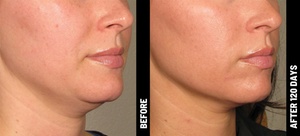
Benefits include firmer, younger-looking skin, softened wrinkles, improved skin texture, and softened acne scars.
How does it work?
"Platelets have growth factors," Dr. Mashayekh explains. "These growth factors, reintroduced into the tissue, will stimulate collagen production over time." Collagen is a protein that's most concentrated in young people's skin, and it's part of the reason their skin looks firm and supple.
As Dr. Arviv puts it, collagen gives you "more volume, [and] when you have more volume, you're also getting a tightening aspect."
That increased collagen production also helps plump up fine lines and acne scars, as well as improve skin texture.
FYI: PRP is also used for hair growth and healing.
PRP injection treatments have been used in sports medicine for years because of the way the growth factors can speed up the healing process. The injections are also used to treat hair loss as the growth factors can help with hair growth, hair count, and hair thickness.
 During a Vampire Facial, doctors draw blood from your arm, and then place the vial of blood into a centrifuge to separate the blood cells from the platelet-rich plasma. This plasma serum is then applied to your face.
Exactly how much blood do you need for a Vampire Facial?
For Dr. Mashayekh, the answer depends on the treatment area's size. "If we are doing smile lines, for example … I usually draw around 1 ounce of blood." For larger areas or a full-face treatment, he'll draw 2–3 ounces.
Not every practice is the same, though. Dr. Arviv draws less blood: at most 8 milliliters, or a quarter of an ounce, for a full-face facial plus targeted injections into wrinkles or deeper lines, like the nasolabial folds. Treatments for smaller areas require even smaller amounts.
How much does a Vampire Facial cost?
Vampire Facial cost can vary from practitioner to practitioner, with cost ranging anywhere from $900 to $2,500 per treatment. The average cost is about $1,500.
Of course, you can always search our website for great deals on Vampire Facials near you. A recent search in major metropolitan areas such as Chicago and New York found PRP facials for as low as $199.
Factors that influence pricing include:
- Clinic location: Urban or high-demand areas typically charge more.
- Experience of the practitioner: Licensed dermatologists or highly trained professionals may charge a premium.
- Additional treatments: Combining PRP with microneedling, serums, or laser therapy can increase cost.
- Package deals: Multi-session packages often reduce the per-session price.
To help you compare options, see the table below outlining typical Vampire Facial types and pricing:
| Vampire Facial Type | Average Price Range | Typical Duration | Best For / Notes |
|---|---|---|---|
| Standard Vampire Facial (PRP + Microneedling) | $400–$600 | 60–90 minutes | Basic rejuvenation, improves texture and tone |
| Deluxe Vampire Facial (PRP + Microneedling + Serums) | $600–$800 | 75–100 minutes | Enhanced hydration, fine line reduction, and glow |
| Premium / Multi-treatment Package | $1,000+ | Multiple sessions, 60–90 minutes each | Optimal results over several treatments, cost-effective per session |
When considering a Vampire Facial, always confirm with the clinic exactly what is included in the price and ask about any hidden fees or recommended packages for long-term results.
What Happens After a Vampire Facial?
Immediately after a Vampire Facial, your skin may appear slightly red or flushed, similar to a mild sunburn. Some patients also experience minor swelling or pinpoint bleeding at the microneedling sites.
Over the next 24–48 hours, the skin will start to heal. Platelet-rich plasma (PRP) begins stimulating collagen production, which helps improve texture and elasticity.
- Mild redness and swelling are normal and usually subside within a couple of days.
- Avoid heavy makeup for at least 24 hours to allow your skin to recover.
- Moisturize gently and follow any aftercare instructions from your provider.
How Long Do Vampire Facial Results Last?
Results from a Vampire Facial vary depending on skin type, age, and the number of treatments. Typically, you can expect improvements in skin texture, tone, and firmness within 2–4 weeks.
For long-lasting benefits, a series of 3–4 treatments spaced 4–6 weeks apart is often recommended. Individual results may last anywhere from 6–12 months, after which maintenance sessions can help sustain the improvements.
How Long After a Vampire Facial Can I Exercise Again?
It is generally advised to avoid intense physical activity for at least 24 hours after a Vampire Facial. Exercise increases blood flow and may aggravate swelling or redness.
Light activities, such as walking or gentle stretching, are usually fine the day after treatment. For more vigorous workouts, waiting 48 hours is a safe guideline.
- Avoid saunas, hot tubs, and steam rooms for 24–48 hours.
- Follow your provider’s specific recommendations based on your skin response.
Frequently Asked Questions About Vampire Facials
What is a Vampire Facial?
A Vampire Facial, also known as a PRP (Platelet-Rich Plasma) facial, combines microneedling with your own platelet-rich plasma to rejuvenate the skin, improve texture, and reduce fine lines.
How does a Vampire Facial work?
The procedure involves drawing a small amount of your blood, processing it to concentrate platelets, and applying it to the face while microneedling. This stimulates collagen production and promotes skin healing.
What are the benefits of a Vampire Facial?
Benefits may include smoother skin, reduced wrinkles, improved elasticity, and a natural glow. It can also help with acne scars and uneven skin texture.
Is a Vampire Facial safe?
When performed by a trained professional in a clean, licensed clinic, Vampire Facials are generally safe. Using your own blood minimizes the risk of allergic reactions.
How long does a Vampire Facial take?
The procedure usually lasts 60–90 minutes, including blood processing and microneedling treatment.
How often should you get a Vampire Facial?
Many practitioners recommend every 4–6 weeks for optimal results, with a series of 3–4 treatments often suggested for best outcomes.
What is the recovery time after a Vampire Facial?
Most people experience mild redness or swelling for 1–3 days. Makeup can usually be applied after 24 hours, and normal activities can be resumed immediately.
Does a Vampire Facial hurt?
Topical numbing cream is applied before microneedling, so discomfort is minimal. Some patients report slight tingling or pressure during the procedure.
Can anyone get a Vampire Facial?
It is generally safe for adults in good health, but not recommended for people with certain blood disorders, skin infections, or those on blood-thinning medications. Always consult with a licensed provider first.
This article was originally written by LivingSocial staff writer Mae Rice in 2016. It was significantly revised and updated in December 2025 to include the latest research, clinical results, and expert insights on Vampire Facials, ensuring the information is accurate and up-to-date.

Related Reads
 What Is Microneedling?
Learn all about the minimally invasive procedure that can treat everything from acne scars to wrinkles.
 This Pore Vacuum Is Both Satisfying and Upsetting
Watch as Colleen and Aimee use a pore vacuum to unclog their pores.

 What It's Really Like to Get a Microcurrent Facial
See what this high-tech treatment is really like and what kind of results to expect.
 Why You Need a Hydrating Facial
Winter does a number on facial skin—the icy wind, the dry indoor heat, even that tissue we use to soothe our dripping noses can leave us with dull, dry skin. Hydrating facials can help fix that.