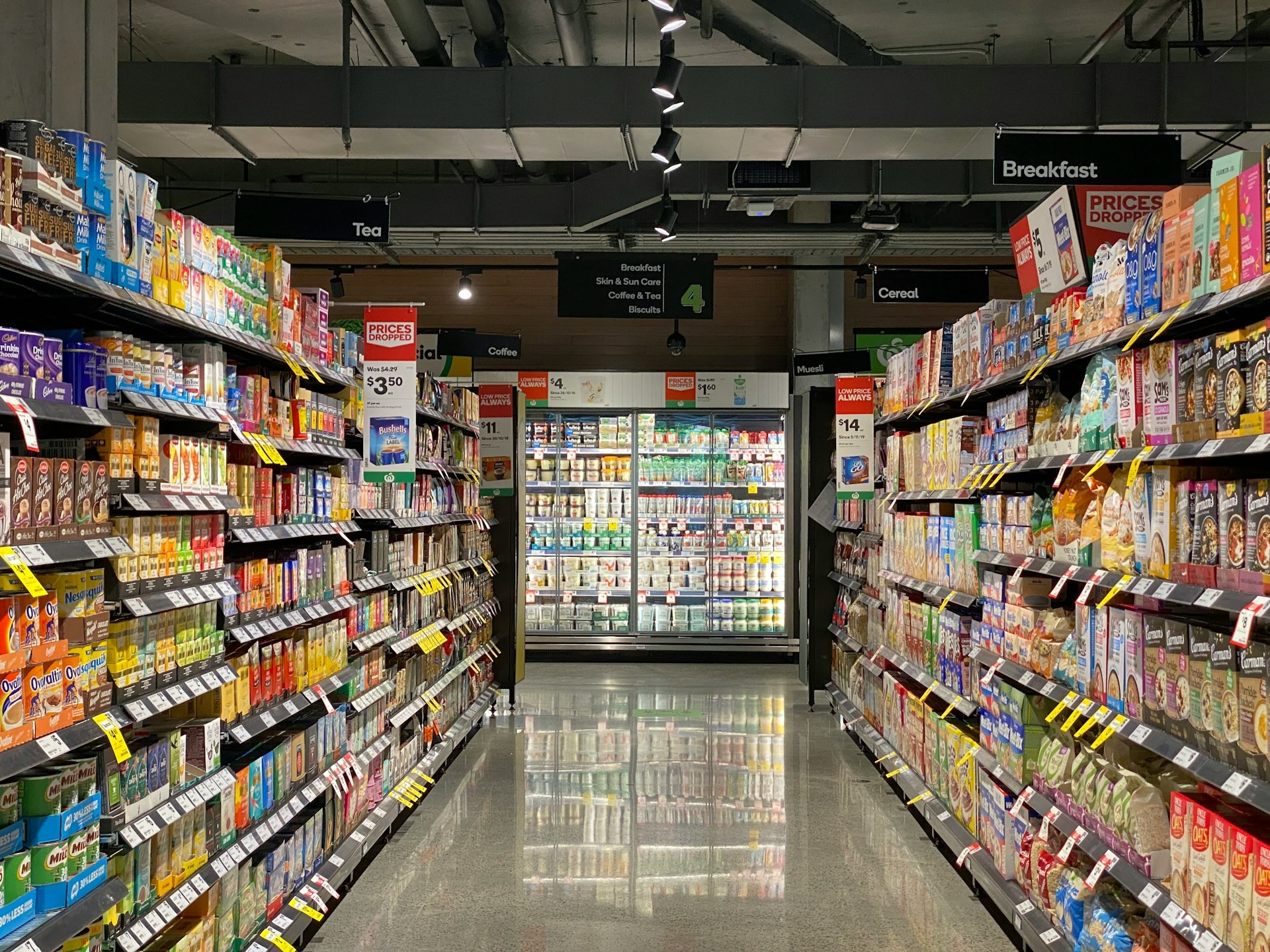
- Buying in bulk only saves money on things you'll actually use before they expire or go bad — the unit price means nothing if half of it ends up in the trash.
- Non-perishables, paper products, cleaning supplies, and frozen proteins are almost always the smartest bulk buys.
- Fresh produce, specialty ingredients, and items you rarely use are almost always money-losers in bulk.
- The real test for any bulk purchase: compare the unit price (per ounce or per count), not the package price.
- For families spending $250+/month on groceries, a warehouse club membership typically pays for itself within a few months.
Buying in bulk sounds like a guaranteed way to save money — and sometimes it genuinely is. But anyone who's thrown away a half-used 64-oz jar of tahini or a sprouting 10-lb bag of potatoes knows it doesn't always work out that way. The difference between saving and wasting usually comes down to one question: Will you actually use all of this before it goes bad?
This guide breaks down which items are almost always worth buying in bulk, which ones need a bit of thought, and which ones you're better off leaving on the shelf. We've also included a real price comparison so you can see exactly how much the savings add up on the items that matter most.
If you're also looking for broader ways to cut your grocery bill, our guide to how to save money on groceries covers the full picture — bulk buying is just one piece of it.
The Simple Rule Before You Buy Anything in Bulk
Before we get into the lists, here's the one thing that will save you more money than any specific product recommendation: always compare the unit price, not the package price.
The unit price is the cost per ounce, per count, or per pound — and it's the only number that tells you whether the big package is actually cheaper. Most store shelves list it on the price tag. Warehouse clubs almost always have it on the label too. If a bulk pack costs $18 for 96 oz and your regular store sells the same brand for $6 for 32 oz, you're paying exactly the same per ounce. No deal.
Quick habit to build: When comparing products, divide the price by the number of ounces or units. The lower number is the better deal — regardless of which package is bigger.
With that in mind, here's how to think about bulk buying across three categories.
Always, Sometimes, and Never: The Bulk-Buying Framework
Non-perishables & high-use staples
- Toilet paper & paper towels
- Dish soap & laundry detergent
- Trash bags
- Cooking oils (olive, vegetable)
- Dried pasta & rice
- Canned tomatoes & beans
- Coffee & tea
- Frozen chicken thighs & ground beef
- Shampoo, body wash, toothpaste
- Vitamins & supplements
Depends on your household
- Bread & tortillas (freeze them)
- Cheese (portion & freeze)
- Eggs (only if used weekly)
- Snack foods (watch portion creep)
- Condiments you use regularly
- Seasonal produce at peak
- Nuts & dried fruit
- Butter (freezes well)
Almost always a money-loser
- Fresh berries & leafy greens
- Specialty or exotic ingredients
- Spices you use occasionally
- Flour & sugar (if infrequent baker)
- Avocados & stone fruit
- Fresh fish & shellfish
- Yogurt & sour cream
- Anything you've never tried before
The "sometimes" column is where most people get tripped up. The answer there almost always comes down to two things: whether you can store it properly, and whether you'll actually go through it. A 5-lb block of cheddar is a great deal — if you know to slice it and freeze half immediately. A 48-oz tub of Greek yogurt is a terrible deal if half of it goes off before the week's out.
Real Price Comparison: Bulk vs. Regular Grocery Store
It's easy to assume bulk is always cheaper. Here's a side-by-side look at some common items — the numbers show where the savings are real and where they're not.
| Item | Regular Grocery (unit price) | Bulk / Warehouse (unit price) | Verdict |
|---|---|---|---|
| Paper towels | ~$0.95/roll | ~$0.55/roll | Save ~42% |
| Laundry detergent | ~$0.22/load | ~$0.11/load | Save ~50% |
| Olive oil | ~$0.48/oz | ~$0.27/oz | Save ~44% |
| Dried pasta | ~$0.12/oz | ~$0.07/oz | Save ~42% |
| Frozen chicken thighs | ~$2.49/lb | ~$1.79/lb | Save ~28% |
| Trash bags (13-gal) | ~$0.27/bag | ~$0.16/bag | Save ~41% |
| Fresh strawberries | ~$3.99/lb (in-season) | ~$4.49/lb (large flat) | No savings |
| Specialty hot sauce | ~$0.31/oz | ~$0.29/oz | Marginal at best |
$600
The Items That Pay for a Warehouse Membership on Their Own
You don't need to buy everything at a warehouse club for the membership to make financial sense. For many households, just two or three categories cover the annual fee — everything else is gravy.
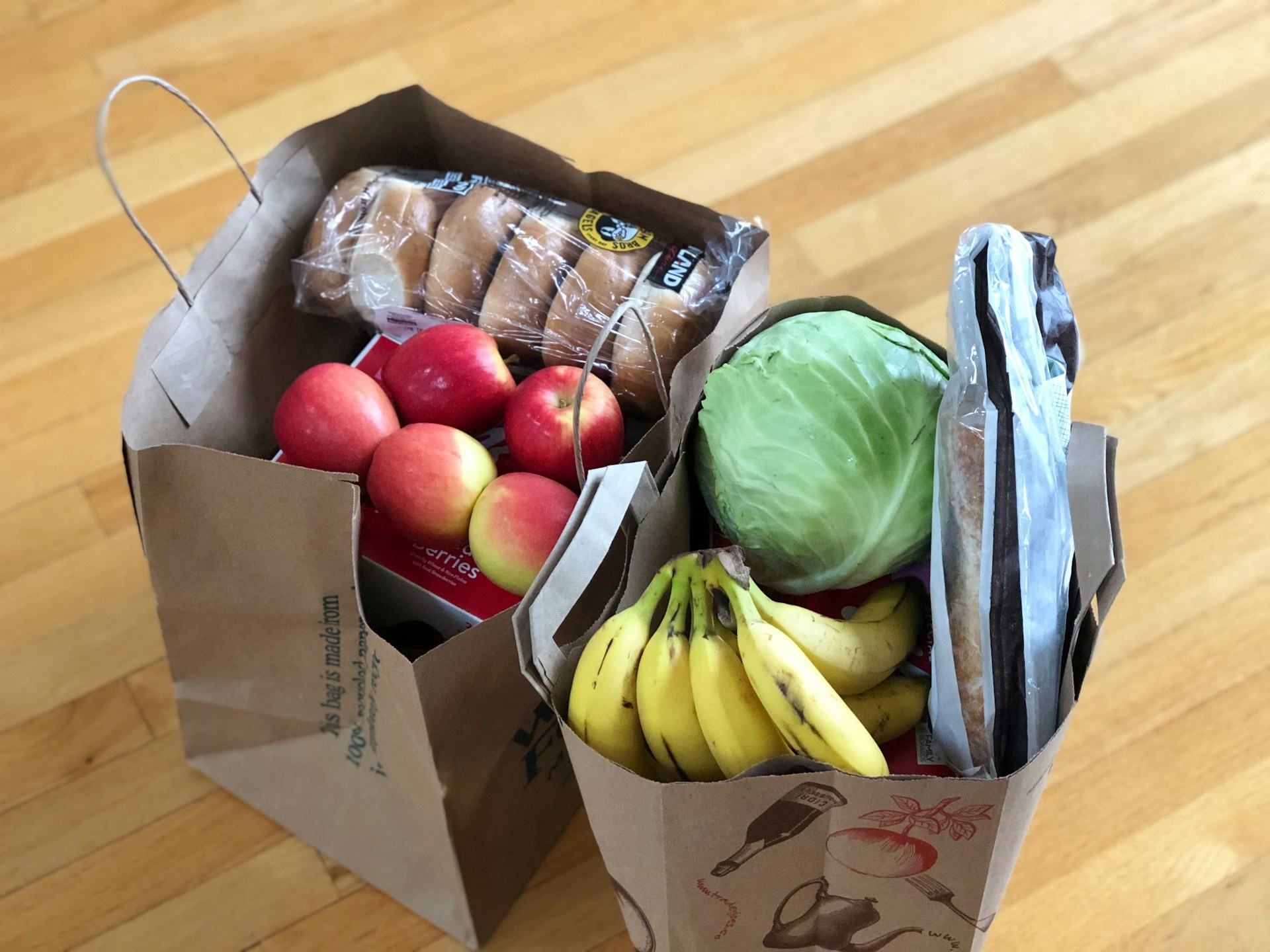
Paper products alone are often enough. A family going through a roll of paper towels every two to three days will spend around $115–$140 a year on them at regular grocery prices — and about $65–$75 at warehouse pricing. That's already half the cost of a basic membership, from one item.
Gas savings are the other big one that people overlook. Warehouse club gas stations typically run 10–25 cents cheaper per gallon than nearby stations. For a household filling up twice a week, that's $100–$250 in savings over the course of a year — enough to cover the membership fee entirely on its own.
Laundry detergent, dish soap, and cleaning supplies are consistent wins. These are heavy, bulky, and annoying to buy frequently — and warehouse clubs price them well below retail on a per-load or per-use basis.
Frozen proteins — particularly chicken thighs, ground beef, and salmon — offer 25–35% savings per pound versus regular grocery prices, and they keep indefinitely in the freezer.
Trying to decide whether a warehouse club is worth it for your household? Our warehouse club comparison guide breaks down Costco, Sam's Club, and BJ's side by side — including which type of shopper each one suits best and when the membership fee pays for itself.
Before You Stock Up: A Quick Sense-Check
Even on items that are generally worth buying in bulk, it's worth running through a few quick questions before you grab the giant pack:
Is this bulk purchase actually worth it?
-
Do you buy this every month, without fail? If it's a regular in your routine, bulk makes sense. If you're buying it because it looks like a deal, put it back.
-
Do you have somewhere to store it? Pantry space, freezer space, and a closet for paper products all factor in. Bulk buying in a small flat often just creates clutter.
-
Is the unit price actually lower? Check the shelf tag. Don't assume. Occasionally, the bulk version isn't cheaper per unit — especially when retail stores have a sale on the regular size.
-
Is it perishable and do you live alone or cook infrequently? This is where most bulk-buying regret comes from. A 2-lb block of feta sounds great until you're throwing half of it away two weeks later.
-
Have you tried it before? Never buy a giant quantity of something new. Try the regular size first — warehouse clubs have notoriously limited return policies on food.
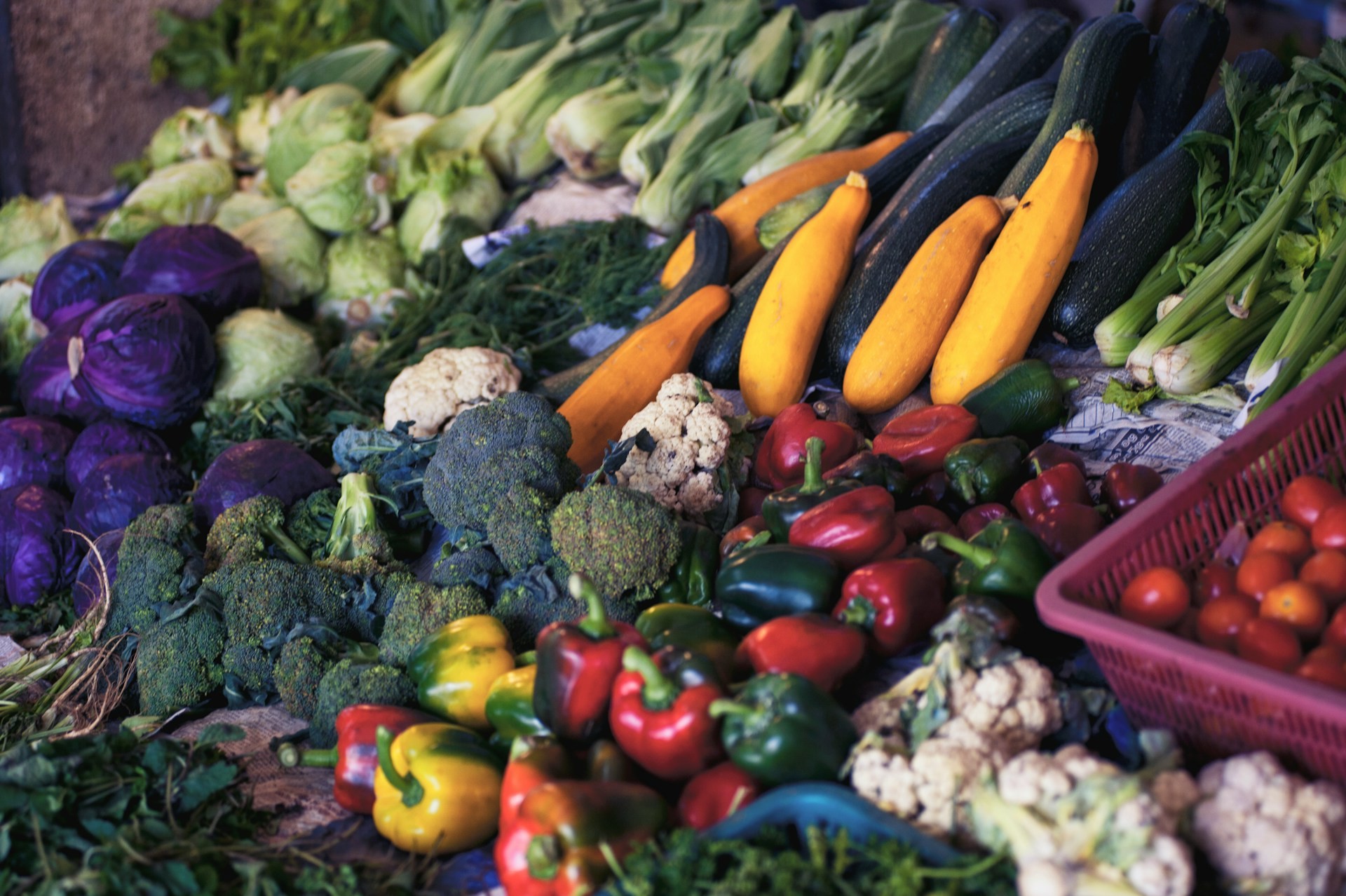
Fresh produce is the clearest example of when not to bulk up. Strawberries, leafy greens, avocados, and citrus look appealing in large trays, but the savings rarely survive the week. Buying one to two servings' worth more than you need tends to save more money than buying a large flat that goes off before Thursday.
Ready to Try a Warehouse Club? Here's How to Save on the Membership Itself
If you've run the numbers and a warehouse club makes sense for your household, there's no reason to pay full price for the membership. Groupon regularly offers discounted memberships for all three major clubs — often with a shop card or cash bonus thrown in.
| Club | Standard Fee | Best For | Current Groupon Deal |
|---|---|---|---|
| Costco | $65/yr (Gold Star) | Quality + range, Kirkland fans, gas savings | Membership + $20–$40 Shop Card → |
| Sam's Club | $50/yr (Club) | Lowest entry price, Scan & Go app, Walmart ecosystem | Up to 50% off membership → |
| BJ's Wholesale | $60/yr (Inner Circle) | Northeast/Southeast, coupon stacking, smaller pack sizes | Up to 75% off membership → |
Not sure which club is right for you? Location matters a lot — BJ's is mainly on the East Coast, while Costco and Sam's have national coverage. Our full comparison breaks down pricing, perks, and which type of shopper each club suits best.
Frequently Asked Questions
Is buying in bulk always cheaper?
Not always. The larger package is cheaper per unit most of the time on non-perishables, but that's not universal. Grocery stores sometimes run sales on regular sizes that beat the warehouse unit price. The only way to know is to compare the unit price — not the total package cost — on the specific items you buy.
What are the best things to buy in bulk at Costco?
Paper towels, toilet paper, laundry detergent, dish soap, olive oil, dried pasta, canned goods, frozen proteins (especially chicken thighs and ground beef), coffee, and vitamins consistently offer the best unit-price savings. Kirkland Signature products — Costco's own brand — are generally excellent quality and significantly cheaper than national equivalents.
Is buying in bulk good for a family of two?
Yes, for non-perishables. Toilet paper, cleaning supplies, and pantry staples don't expire quickly, so a family of two will go through them eventually. The caution is around perishables — bulk fresh produce, dairy, and meat can easily go to waste before a smaller household can use it. The freezer is your best friend here: portion and freeze meat and bread the day you buy them.
Does buying in bulk reduce food waste or increase it?
It depends on what you buy. Bulk non-perishables actually reduce waste because you're restocking less frequently and running out less often. But bulk perishables can dramatically increase waste if you don't have a plan for them. Research from Dartmouth found that warehouse club shoppers sometimes eat more simply because more is available — something worth keeping in mind when loading up on snack foods.
Can you buy in bulk without a warehouse club membership?
Yes. Amazon Subscribe & Save gives 5–15% off recurring orders with no membership fee. Many regular grocery stores sell their own large-format store-brand products at competitive unit prices. And splitting a warehouse trip and the goods with a neighbor or family member is a genuinely good option for households that don't shop in bulk quantities alone.
How much do you need to spend at a warehouse club for the membership to pay for itself?
As a rough rule of thumb, if you're saving around 10% on the items you buy at a warehouse club, you need to spend about $650/year at the club for a $65 Costco membership to break even — that's roughly $54/month. Most families who shop there regularly exceed that well within the first few months. Gas savings alone can cover a significant portion of the fee for households that drive regularly.

