Key Takeaways
- The best seats in a movie theater are two-thirds back from the screen and dead center — the exact spot where THX places its primary calibration microphone
- SMPTE standards recommend a vertical sightline of about 15 degrees below screen center, which corresponds to rows 50-67% back in most auditoriums
- IMAX seats are best 4-5 rows from the back and centered; Dolby Cinema is best in rows D-F center where Atmos speakers are aimed
- Sitting 2-3 seats off dead center creates a more dynamic surround sound effect for action films and orchestral scores
- Christopher Nolan sits in the middle of the third row for CinemaScope — proof that the "best" seat also depends on personal preference
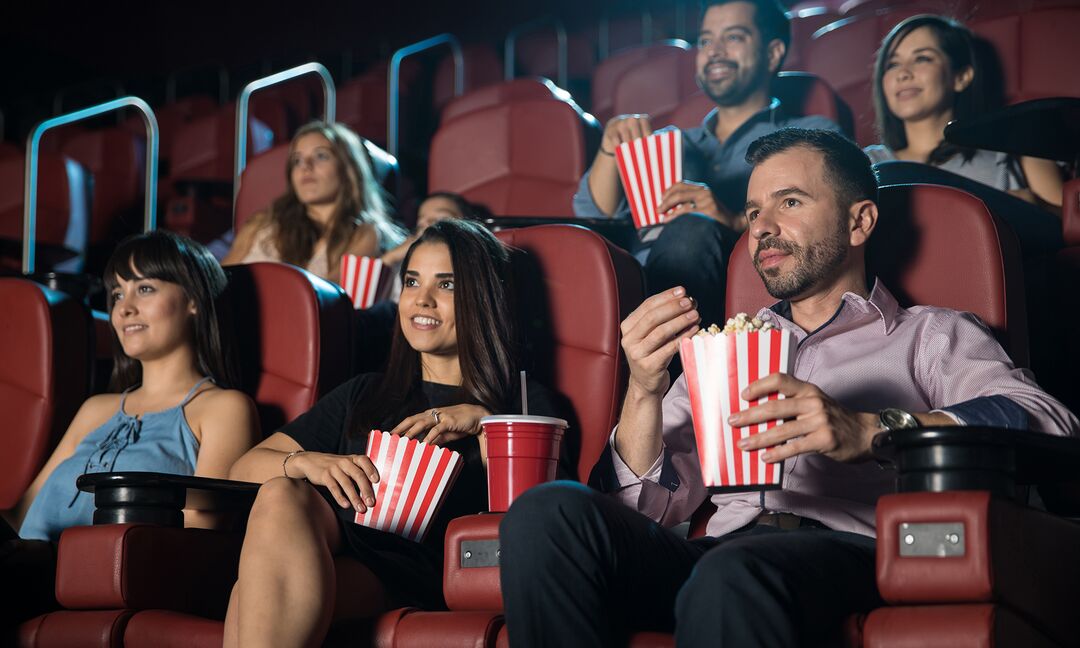
The best seats in a movie theater are two-thirds of the way back from the screen and dead center. This is not a matter of opinion — it is where THX places its primary calibration microphone when certifying a theater's sound system, according to Steve Martz, Director of Global Technology at THX. SMPTE (the Society of Motion Picture and Television Engineers) further supports this zone with its standard that your vertical line of sight should fall about 15 degrees below screen center, with a maximum of 35 degrees from the top of the screen.
The best place to sit in a movie theater depends on the format, too. IMAX, Dolby Cinema, 4DX, and standard auditoriums each have different sweet spots because of how their speakers, screens, and seats are configured. This guide breaks down the science behind the two-thirds rule, maps the best seats for every major theater format, and covers situational picks for couples, families, and solo moviegoers. If you are headed to the movies soon, check out movie deals and coupons before you buy your tickets.
Why the Two-Thirds-Back Rule Works for Sound and Viewing Angle
When THX certifies a theater, engineers place the primary reference microphone at two-thirds back from the screen, dead center. Every speaker level and frequency response is calibrated for that position. Sit there, and you hear the film exactly as the mixer intended.
Viewing angle matters just as much. SMPTE recommends a sightline roughly 15 degrees below screen center, which translates to a viewing distance of 2 to 3 times the screen height. THX requires the back row to maintain at least a 26-degree viewing angle, with 36 degrees recommended and 40 ideal.
In a 20-row auditorium, that sweet spot is rows 13 to 15. In a 15-row theater, aim for rows 10 to 12. The center seat in these rows gives you both calibrated audio and SMPTE-compliant viewing angle.
Want slightly more punch from surround sound? Sit two to three seats off dead center. You will hear a more dynamic mix with extra oomph behind action sequences and orchestral swells. Dead center delivers the most neutral, balanced audio — off-center adds energy to the side channels.
Best Seats by Theater Format: Standard, IMAX, Dolby, and 4DX
The best row in a movie theater shifts depending on screen size and speaker configuration. Here is where to sit in every major format.
| Format | Best Seats | Why |
|---|---|---|
| Standard | 2/3 back, center | THX calibration point + SMPTE viewing angle compliance |
| IMAX | Center, 4-5 rows from back | Laser-aimed speakers optimized for center; stadium seating reduces row-to-row variation |
| Dolby Cinema / Atmos | Rows D-F, center | Atmos overhead and surround speakers aimed at this zone; Dolby Vision calibrated here |
| 4DX | Middle rows, center | Best balance of motion effects and screen visibility; front rows are the splash zone |
| ScreenX | Center of standard area | Side-wall projections are best viewed from the center; too far left or right distorts the expanded image |
Where to Sit in IMAX
Brian Bonnick, CTO of IMAX, recommends center because IMAX's geometry delivers a larger field of view from any seat — but center maximizes it. Aim for four to five rows from the back. Laser-aimed speakers in IMAX with Laser venues are tuned for center seats.
Best Seats for Dolby Cinema
The best seats in a Dolby Cinema are rows D through F, center. The Atmos speaker array directs sound objects to this zone, and Dolby Vision HDR is calibrated for the brightness and contrast at this distance. This matches AVS Forum consensus from enthusiasts who have mapped Dolby auditoriums nationwide.
4DX and ScreenX Seating
4DX adds motion seats, wind, water spray, and scent effects. Middle rows, center deliver the best balance of effects and visibility — front rows are the splash zone. For ScreenX (270-degree side-wall projection), center seating provides the least distortion on the extended panels.
Format tip: If you are choosing between IMAX and Dolby Cinema, IMAX prioritizes screen size and immersion while Dolby Cinema prioritizes contrast, color accuracy, and sound precision. Your ideal seat shifts accordingly — slightly farther back in IMAX, slightly closer in Dolby.
Best Seats for Every Situation: Couples, Families, and Solo Moviegoers
The two-thirds-back-center rule is universal, but your ideal seat also depends on who you are with.
For couples, grab two seats just off center in the two-thirds-back zone. The slightly off-center position adds surround sound energy. Avoid row ends — one person gets a great mix while the other gets an unbalanced one.
Families With Young Kids
Aisle seats in the back half are the practical pick for families — easy exit access for bathroom breaks without disturbing the row, and the back section still falls within the recommended viewing zone.
Book aisle seats in rows that are 50-60% back from the screen. You stay in the calibrated audio zone while keeping a clear path to the exit. For animated films, the slightly wider viewing angle from an aisle seat does not noticeably reduce picture quality.
Solo Moviegoers
Going to the movies alone gives you the advantage of choosing the single best seat in the house. Target dead center, two-thirds back — the exact THX calibration point. Solo viewers can often grab this seat even on busy nights since groups tend to avoid single open seats between occupied ones.
Seats to Avoid in a Movie Theater (and When They're Fine)
The front row is the worst option for most moviegoers: extreme neck angle, image distortion, and unbalanced audio. But Christopher Nolan sits in the middle of the third row for CinemaScope films because he wants the screen to fill his entire field of vision. For IMAX, he prefers just behind the center line.
The back corners are objectively the worst seats — uneven surround sound and an off-axis visual angle that makes the screen appear trapezoidal. Front rows can work for immersive horror or IMAX documentaries where filling your field of view heightens the experience.
Contrarian take: Julian Antos, Technical Director of the Music Box Theatre in Chicago, recommends two-thirds back for general audiences but personally prefers sitting close to see film grain and fine detail. If you are a film enthusiast who appreciates cinematography at the texture level, the front third is worth trying at least once.
What the Experts Say: Where Filmmakers and Audio Engineers Sit
The expert consensus is overwhelming: center is non-negotiable, and the only debate is how far back.
Joe Muto, Head Projectionist at Nitehawk Cinema: "Center of the room, center with the screen." Center seats deliver the most symmetrical image with the least keystoning or light falloff.
Brian Bonnick, CTO of IMAX, recommends center because IMAX's wider field of view means off-center seats lose more visual information than in a standard auditorium.
Steve Martz, Director of Global Technology at THX, leads the team that calibrates theaters. The primary microphone goes at two-thirds back, center — the engineering standard every THX-certified theater must meet.
"Center of the room, center with the screen." — Joe Muto, Head Projectionist, Nitehawk Cinema. The projectionist's recommendation matches the audio engineer's calibration point: center wins every time.
Christopher Nolan is the outlier — his third-row preference shows that breaking the rules can be a deliberate artistic choice once you understand the sweet spot.
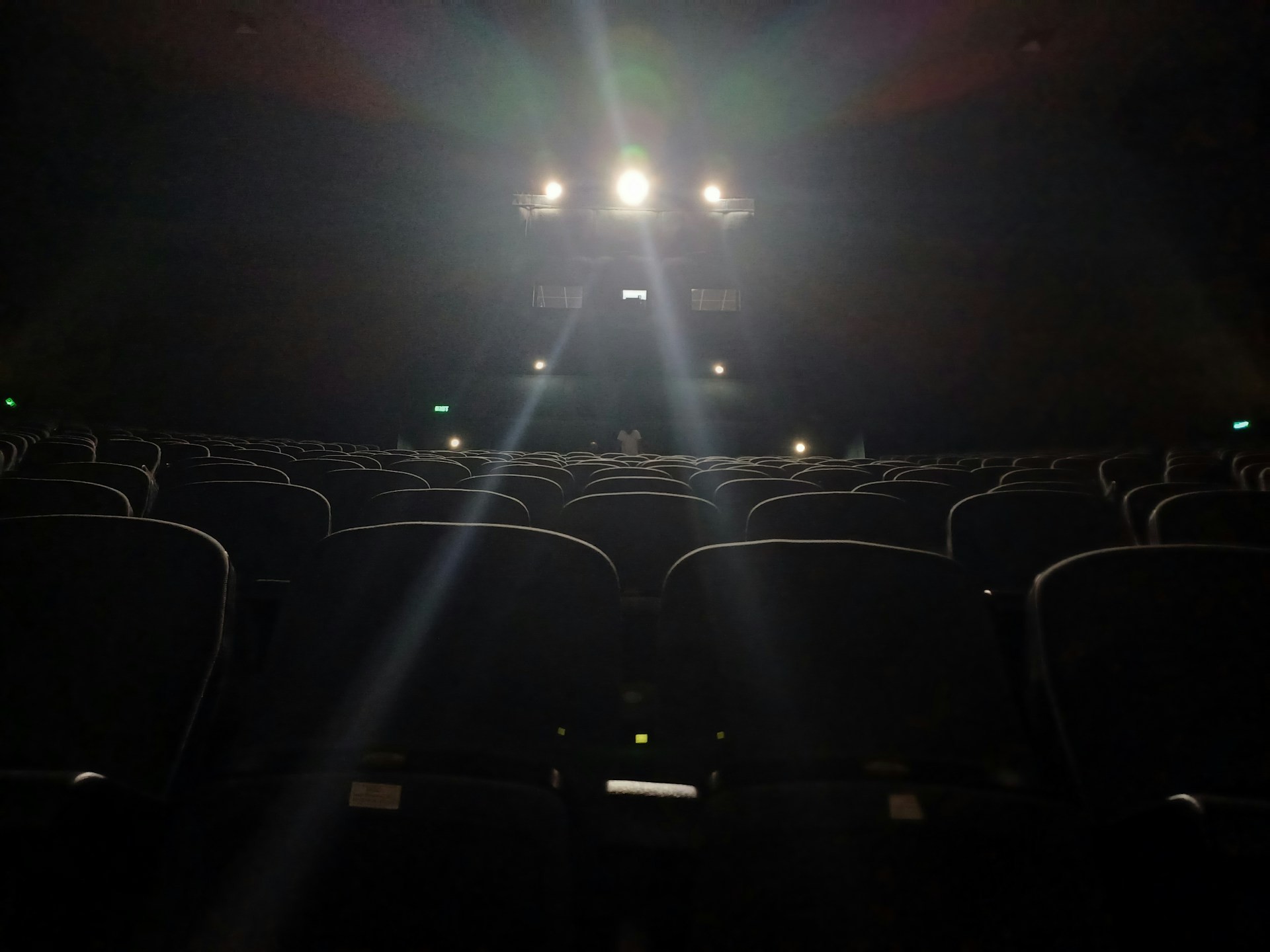
Accessible Seating in Movie Theaters: Location and Quality
ADA regulations require accessible seating in the rear 60% of stadium-style auditoriums — overlapping directly with the two-thirds-back sweet spot.
ADA seating standards: Every wheelchair space must include an adjacent companion seat at the same elevation. Ticket holders can purchase up to three additional contiguous companion seats, so groups can sit together without separation.
If you need accessible seating, you are not being relegated to a bad spot — ADA placement aligns with the zone THX and SMPTE consider optimal.
How to Save on Movie Tickets and Premium Upgrades
Premium formats like IMAX and Dolby Cinema cost $5 to $8 more per ticket, but the upgrade is significant when you are in the right seat. Groupon offers AMC deals and promo codes for discounted tickets and concessions, plus Fandango promo codes for online purchases.
Our guide to more ways to save on movie tickets covers matinee pricing, discount days, and loyalty programs. Check current AMC discount codes for the latest offers.
Frequently Asked Questions
What is the best row to sit in at a movie theater?
The best row in a movie theater is two-thirds of the way back from the screen, dead center. This is where THX places its primary calibration microphone, and it falls within SMPTE's recommended 15-degree vertical sightline. In a 20-row auditorium, that means rows 13 to 15.
Where should you sit in an IMAX theater?
In an IMAX theater, the best seats are center and about four to five rows from the back. IMAX CTO Brian Bonnick recommends center seating because IMAX's larger screen geometry and laser-aimed speakers are optimized for that zone. Stadium seating in IMAX reduces variation between rows.
Is it better to sit in the front or back of a movie theater?
Neither extreme is ideal. The front rows force you to crane your neck and distort the image, while the very back reduces immersion and sound clarity. The sweet spot is the middle-to-rear section — about 50% to 67% of the way back from the screen. That said, director Christopher Nolan prefers the third row for CinemaScope films, so front-row seating can work for viewers who enjoy maximum immersion.
Where does Christopher Nolan sit in a movie theater?
Christopher Nolan sits in the middle of the third row for CinemaScope films, letting the screen fill his entire field of vision. For IMAX screenings, he prefers sitting just behind the center line in the middle of the row. His preference for sitting close is unusual among filmmakers but reflects his desire for total visual immersion.
What is the 2/3 rule for movie theater seating?
The two-thirds rule states that the best seat in any movie theater is located two-thirds of the way back from the screen and centered with the middle of the screen. This guideline comes from THX certification standards: THX places its primary calibration microphone at this exact position, meaning the theater's sound mix is balanced and tuned specifically for that spot.
What are the best seats in a Dolby Cinema?
The best seats in a Dolby Cinema are rows D through F, center. Dolby Atmos surround speakers and overhead channels are aimed at this zone, and the Dolby Vision HDR calibration is optimized for viewers seated here. These rows offer the most balanced combination of immersive sound and vivid picture quality.
Does it matter where you sit for surround sound?
Yes, your seat affects surround sound significantly. Dead center delivers the most neutral and balanced audio because you are equidistant from left and right speakers. Sitting two to three seats off center produces a more immersive effect, especially noticeable during bass-heavy scenes and sweeping scores. The worst spots for sound are the front corners, where speaker balance is the most uneven.
Are accessible seats in movie theaters in good locations?
Yes, ADA regulations require wheelchair-accessible seats to be located in the rear 60% of stadium-style auditoriums, which overlaps with the best viewing zone. Every wheelchair space must include an adjacent companion seat at the same elevation, and ticket holders can purchase up to three additional contiguous companion seats.