Find All LivingSocial Sale Deals

Umami is called the “fifth flavor.” At their most basic, flavors can be broken down into five categories: sweet, salty, bitter, sour, and umami. The first four are easy to describe. The fifth, however, is a bit more elusive.
Umami, when roughly translated from Japanese, means deliciousness. In the early 1900s, a Japanese food chemist identified the source of this flavor—the one found in dashi, specifically—as glutamic acid. When glutamate breaks down, it becomes L-glutamate, which is really what we think of when we think of umami. And glutamate can break down in many ways: when a steak cooks, when a tomato ripens under the sun, or when soy sauce ferments. This is the key trait that links umami foods together.
All that science is fine, but it doesn’t answer the practical questions.

Mushrooms, beef, ketchup: an umami trifecta
Umami, in a word, tastes savory. Umami is what makes chicken soup so comforting; it’s what makes bacon so dang good. It’s a dominant flavor in many Japanese dishes, such as miso soup and teriyaki sauce. In fact, every time you dunk sushi into soy sauce, you’re giving it a hit of umami.
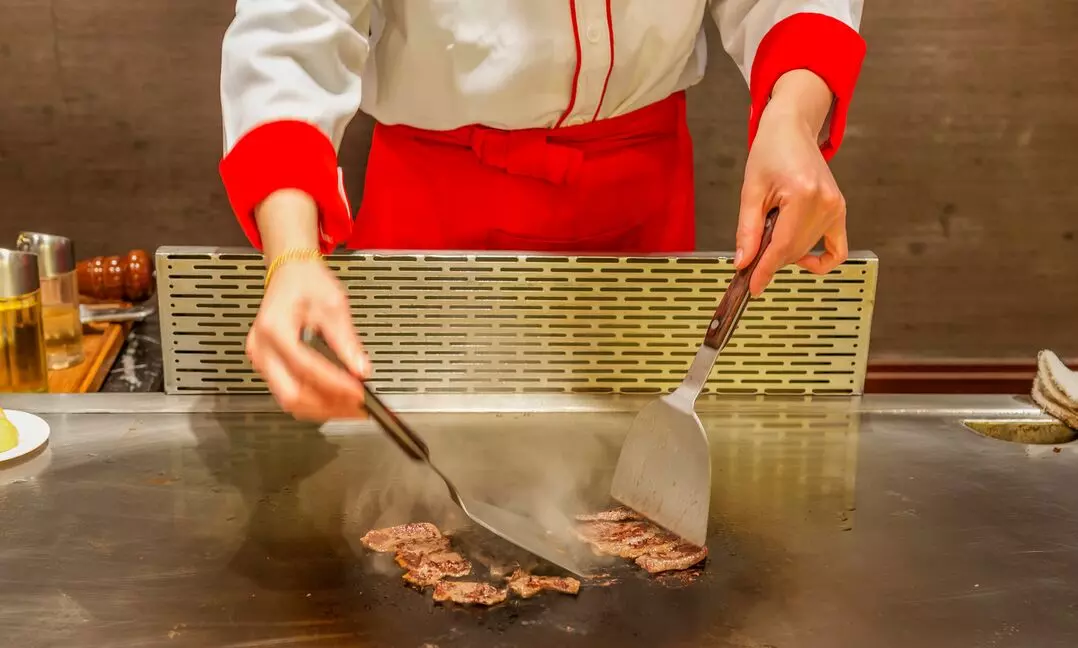
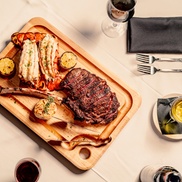
Proteins are a good source of umami: steaks, chicken, and especially bacon. For a vegetable source of umami, try mushrooms, especially sauteed ones, as well as tomatoes. Also, cheese can be rich in umami—a good example is parmesan. It’s salty, yes, but also has another flavor note. That savoriness is called umami.
Other ways to taste umami include fish sauce, roasted potatoes, carrots, cured meats, anchovies, seaweed, and soy.

Beef with broccoli = tons of umami
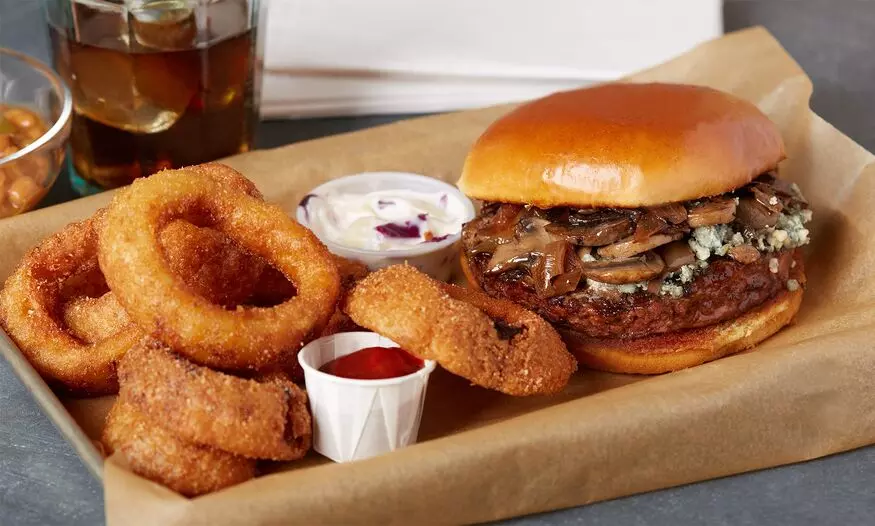
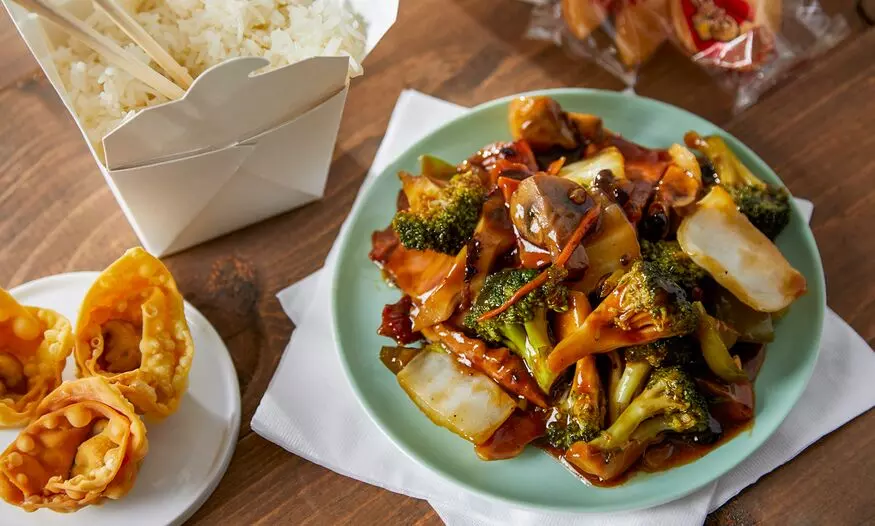
Beef with broccoli—that brown sauce found in lots of Chinese American dishes is rich in umami. Of course, Japanese food—soy sauce and fish sauce are both umami bombs. Any dish with mushrooms, tomatoes (especially sun-dried), and rich in meat and cheese are also rich in umami. Americans have been chasing the flavor so much, several outlets of famed chain Umami Burger have opened in Las Vegas and New York City, as well as Los Angeles and Chicago.
Nigiri vs Sashimi vs Maki: What's the Difference?
Who Invented the Hamburger? An Investigation with 5 Suspects
What is Ramen and Why Is It Suddenly Everywhere?
Italian Beef, A Sloppy Chicago Favorite